
Lewis Hine, photography in service of rights
« American photographer (1874-1940), whose images of child labor helped pass the first U.S. child-labor laws. »
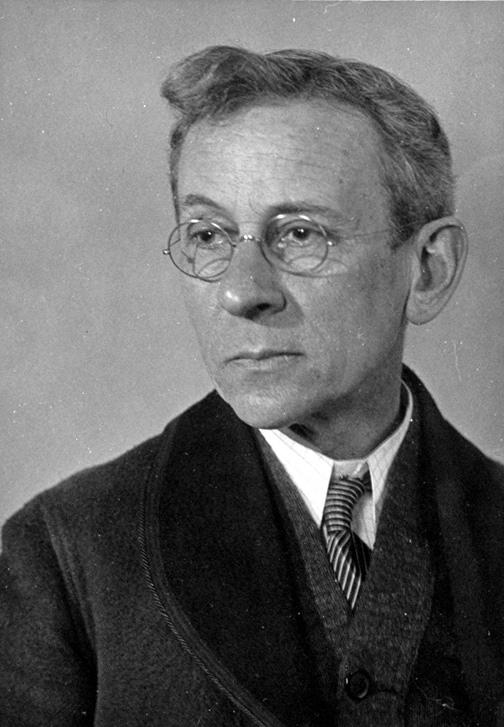
A sociologist by training, Lewis Hine taught at New York's Ethical Culture School, where Paul Strand was one of his students. He first photographed immigrants on Ellis Island (1905-1909), frontal portraits that pulled them out of statistical anonymity. Photography as civic act: his programme was set.
In 1908 he became an investigator for the National Child Labor Committee. For ten years he infiltrated mills, mines and canneries, posing as a machine inspector in order to photograph children at work. His images, with precise notes (age, height, conditions), fed the congressional reports.
These photographs contributed directly to the passage of the Keating-Owen Child Labor Act (1916) and the Fair Labor Standards Act (1938). Late in life he documented the construction of the Empire State Building (Men at Work, 1932). He died in poverty in 1940. His social photography remains an ethical reference.