
Willy Ronis, photography as tenderness
« French photographer (1910-2009), with Ménilmontant and Belleville as his territory and humanism as his method. »
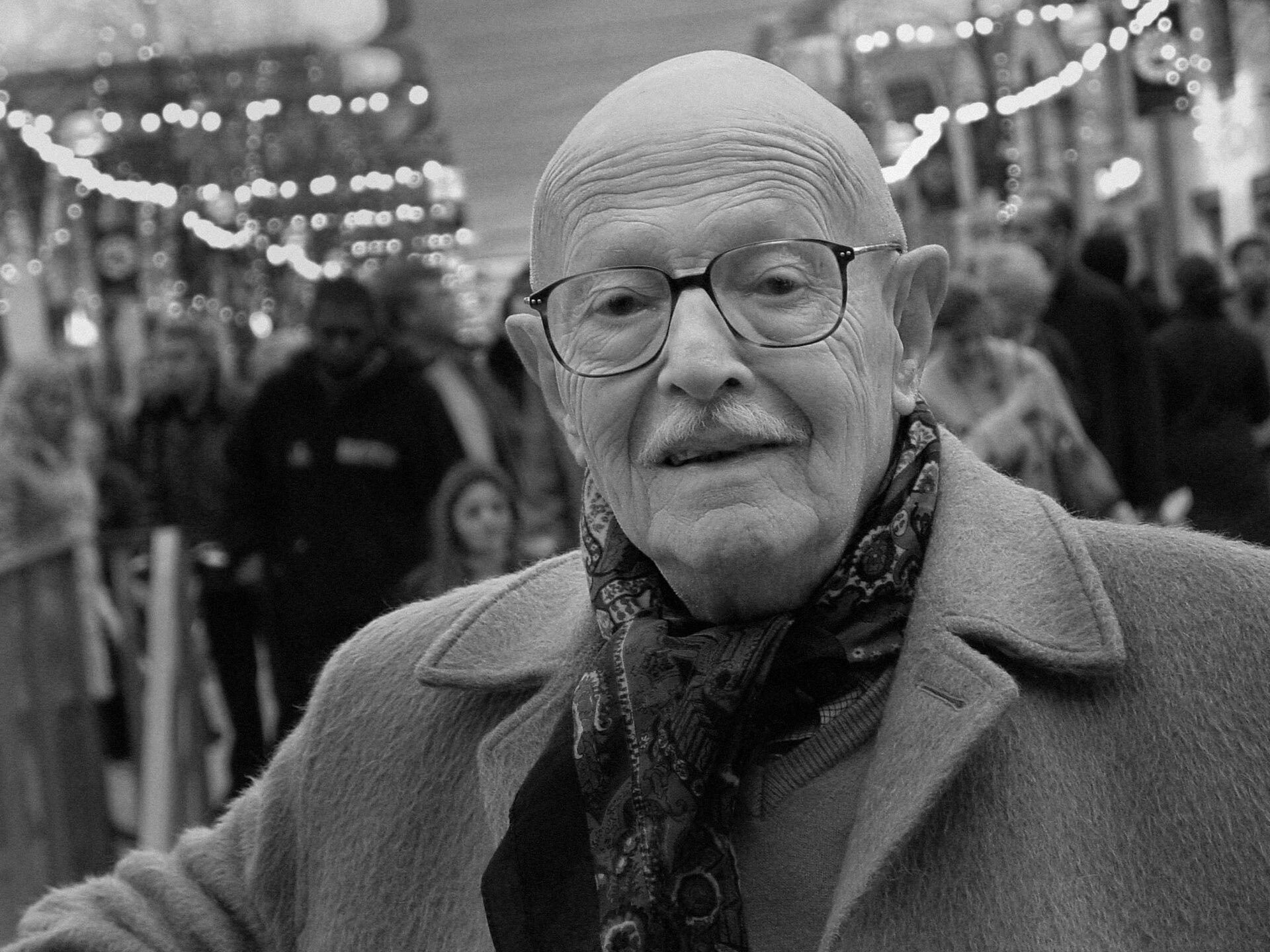
Born in Paris into a Jewish family of Ukrainian origin, Ronis took over his photographer father's studio in 1936. A member of the Communist Party, he photographed the 1936 strikes, the Liberation, Citroën and Renault workers. Le Petit Parisien (1952) and Place Vendôme (1947) became classics.
His urban landscapes of east Paris — Ménilmontant, Belleville, Buttes-Chaumont — have a tenderness that never slid into sentimentality. The Provençal Nude (1949), a portrait of his wife Marie-Anne before a basin, became an archetypal image of the non-eroticised nude.
A member of the Rapho collective alongside Doisneau, Boubat and Brassaï, Ronis photographed for eight decades without stylistic rupture. Donated to the French state in 1983, his archive — about 60,000 negatives — is held by the Médiathèque du Patrimoine. He died at 99, still active.